
1 in 3 adults has prediabetes, and 80% don't even know they have it. Prediabetes is serious, but it is also reversible. Take this quick 1-minute risk test validated by the CDC and ADA to find out where you stand today.
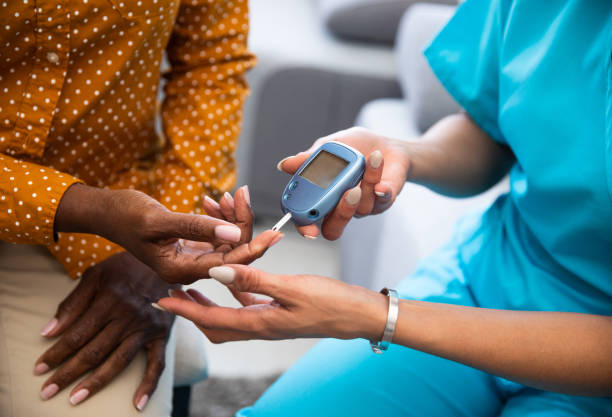
Answer the following 7 simple questions to calculate your risk level.
Prediabetes is a condition where your blood sugar level is higher than normal, but not high enough to be diagnosed as type 2 diabetes. Without lifestyle changes, people with prediabetes are very likely to progress to type 2 diabetes within 5 to 10 years.
The good news is that prediabetes is reversible. Making simple changes such as eating healthier foods, incorporating physical activity into your daily routine, and maintaining a healthy weight can help bring your blood sugar level back to normal.

Prediabetes often has no symptoms. In fact, 80% of the millions of people who have it do not know they do. That is why screening is so important if you have risk factors.
Just 30 minutes of moderate activity (like brisk walking) 5 days a week can reduce your risk of type 2 diabetes by over 50%. Small steps lead to big outcomes.
Focusing on whole foods, reducing refined carbohydrates, sugars, and processed foods, and eating plenty of fresh vegetables can naturally help stabilize glucose levels.
Find answers to common questions about diabetes screening and risk factors.
Prediabetes means your blood sugar levels are higher than normal, indicating insulin resistance, but they have not yet reached the threshold of type 2 diabetes. Type 2 diabetes is a chronic condition where the body does not produce enough insulin or is highly resistant to it, leading to chronically high blood sugar levels that require medical management.
Prediabetes is diagnosed through simple blood tests performed in a laboratory. The most common tests are the A1C test (which measures your average blood sugar over the past 2-3 months), a Fasting Blood Glucose (FBG) test, or an Oral Glucose Tolerance Test (OGTT). You can book these tests directly at our laboratory.
Yes, absolutely! Unlike type 2 diabetes which is typically a lifelong condition once established, prediabetes can be fully reversed. Clinical trials have shown that losing 5% to 7% of your body weight and getting regular moderate exercise can cut your risk of developing type 2 diabetes by 58% (71% for people over 60).
You should take this risk assessment if you are 45 years or older, are overweight, have a parent or sibling with type 2 diabetes, are physically active less than 3 times a week, or if you are a woman who had gestational diabetes during pregnancy.